Saipan’s Surge and Slump
Long time, no post! There was a time when I felt bound to observe production schedules and meet deadlines, but that has been lost—along with so much else—with age and senility. Still, welcome back to those of you who have had the patience to keep checking my site.
Not long ago I made a three-day trip to Saipan. It’s only a half-hour flight to an island just north of Guam. The ticket that once cost $50 now goes for ten times that. But that’s not all that has changed.
Saipan, the capital of the Trust Territory back in the 1960s, was my dream getaway destination when, as a newly ordained priest, I resumed teaching at Xavier High School in 1969. Hotels were popping up around the island as a new airline began service to different parts of Asia and the Pacific. A real tourist industry was just beginning. Stores were bigger and better stocked than ever before. You could smell the confidence in the air as people planned for their future, political as well as developmental.
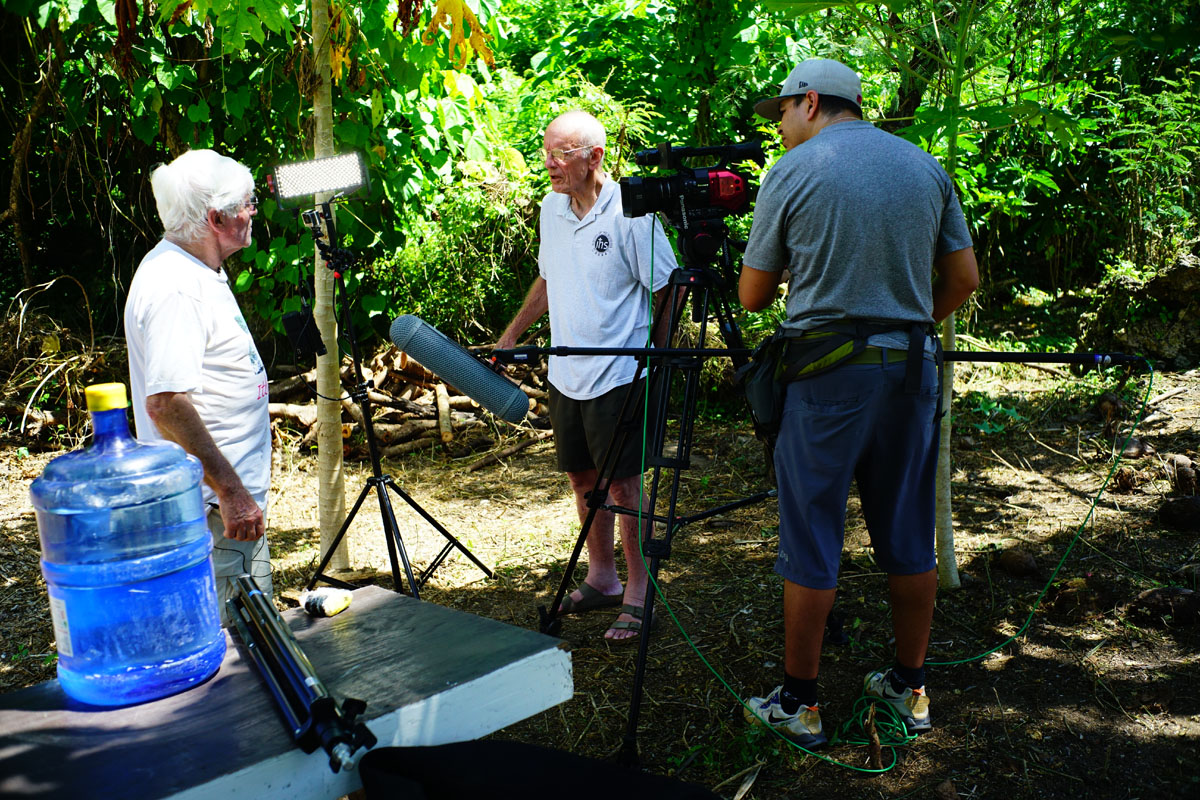
Two years ago we made a documentary about this era, one that ended with Saipan and its neighbors to the north celebrating their new status as a Commonwealth of the United States. My recent visit was to plan another documentary, this one about the years that followed: a period when tourism expanded rapidly, a new garment industry brought in thousands of Asian factory workers and domestic helpers, and Chinese entrepreneurs launched a casino industry. But that story will be told when we complete our second video.
Let’s just put it this way. Saipan’s population of about 15,000 in 1975 exploded to about 80,000 by 2000. Since then the population has fallen to about 40,000 and is still shrinking every year. Tourism, for a variety of reasons, has tumbled, and the other big industries died, along with the promise of economic prosperity they once brought to the island.
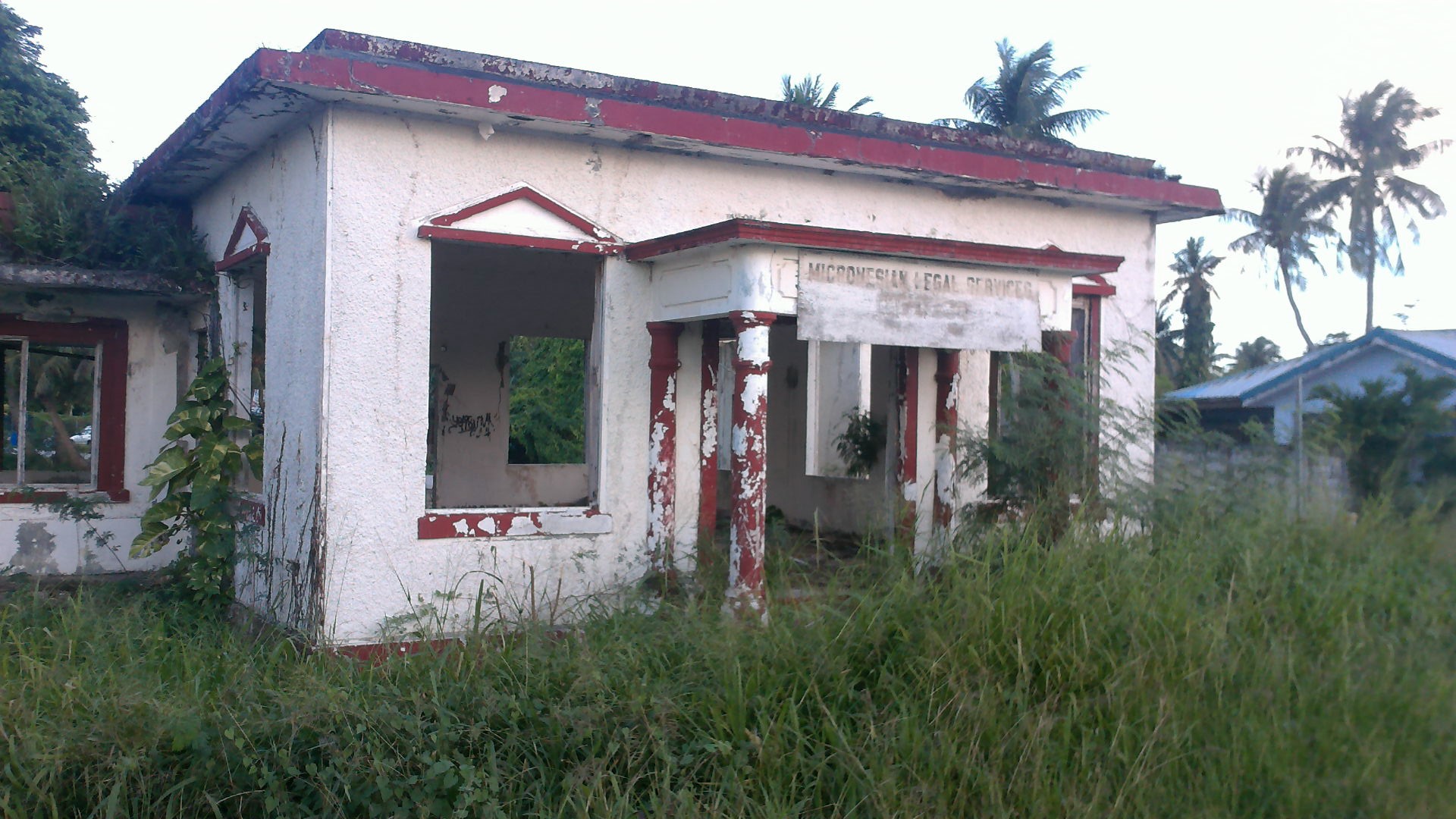
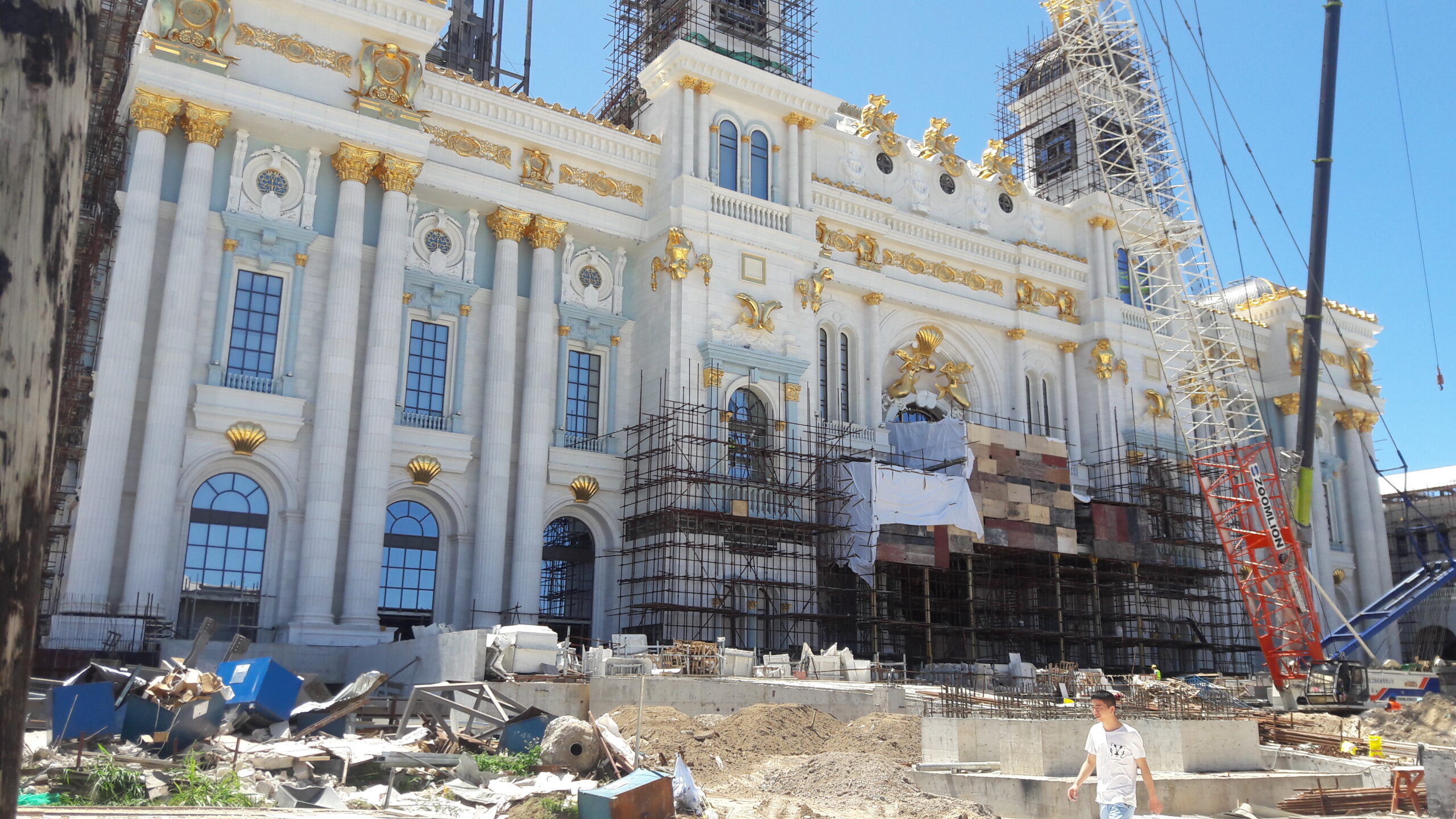
The CNMI government is saddled with a large budget and no viable industry these days. I could drive around the island and see the relics of what had once been flourishing stores, hotels, and restaurants. It all brought back rich memories, I can tell you, but not much promise of a bright future. Where do we go from here? was the unspoken question in everyone’s mind.
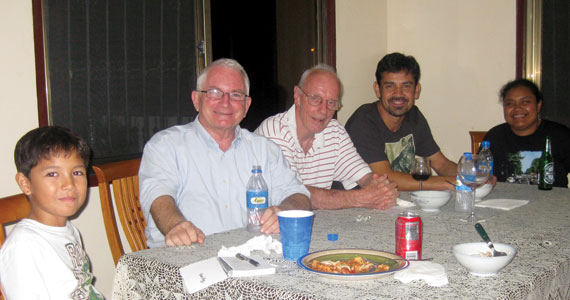
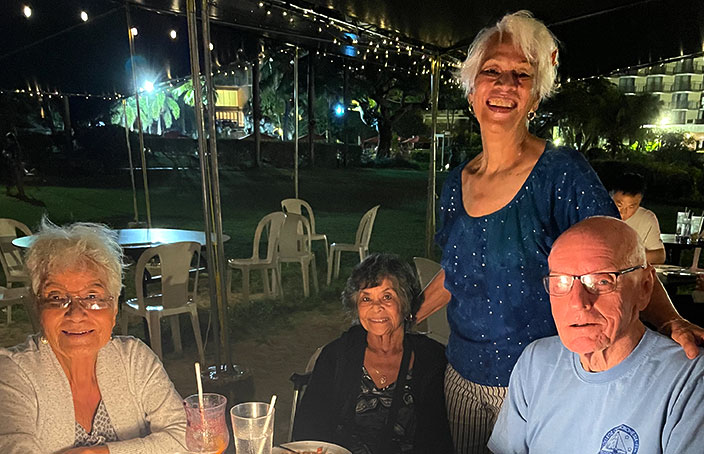
Over those few days I was reminded once again that the real strength of Saipan has never been its industries or its balance sheets, but its people. Old friends welcomed me back, and conversations quickly slipped into the familiar rhythm of shared memories and concern for the future. CNMI has lived through booms and busts before. Whatever path the island takes next, I came away convinced that the resilience of the people of the CNMI will remain its greatest asset.